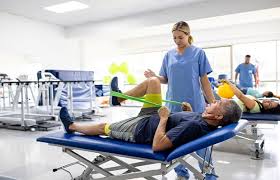
Whether you’re an athlete or just trying to improve your quality of life, physical therapy can be a great option. It can help with chronic pain, balance issues, and more. In addition, it can also help prevent future injuries and enhance athletic performance. However, it’s important to find the right physical therapist. Look for a provider with extensive experience, up-to-date knowledge, and a patient-centered approach.
Electrotherapy
The Missner Group has completed numerous projects for IBJI including locations in Chicago, Lake Bluff, Bannockburn, Lincolnwood, Morton Grove, Wilmette, and Glenview, Illinois. These projects included transforming two-story office space into single-story tenant spaces by completing an old stair infill and adding new restrooms. In addition, they built a new open concept physical therapy gym and constructed new offices.
Other forms of manual therapy include muscle energy techniques and manual traction. Muscle energy techniques are a series of exercises that help lengthen muscles that have shortened with time due to injury or inactivity. They also help improve posture and address pelvic asymmetry. Manual traction is a technique that uses the hands to exert gentle force on your body to reduce pain and reduce stiffness and swelling in a joint, such as in the spine or leg.
Founded over 16 years ago, Chicago Physical Therapy provides patients with personalized treatment plans. Their team of experienced therapists and chiropractors is focused on helping patients recover from injuries and prevent future ailments.
Finding a physical therapist in Chicago is easy with Zocdoc, an online service that lets you browse real-time appointment availability for local providers. You can use the search bar to specify your symptoms and insurance, and you’ll see a list of matching doctors. The best part is that you can book your appointment in seconds!
Chicago Physical Therapists
In some cases, your physical therapist will perform active resistance training to improve strength at the injured site. This can help restore strength to the affected muscle and prevent the muscle from weakening as a result of inactivity.
Rachel has years of experience in both orthopedic and neurological settings. She is highly skilled in treating a wide range of injuries, including post-operative orthopedic procedures, acute sports injuries, sprains and strains, back and neck pain, and neurologic conditions like multiple sclerosis and Parkinson’s disease. She is dedicated to providing high quality care by promoting function, fostering ability and encouraging physical activity in her patients. She treats each person with dignity, compassion and respect. She believes in the power of the human body to overcome adversity and achieve success.
With over 25 years of experience, IBJI’s team of orthopedic specialists has extensive expertise and specialized training in all areas of the body. They offer a variety of treatment options for sports injuries, arthritis, foot and ankle problems, and back pain. They also have a variety of advanced technology to diagnose and treat orthopedic issues.
IBJI has been in business for more than 30 years and serves patients with all types of orthopedic disorders and injuries, from minor to complex. The company has over 200,000 active patients. They also have a robust research and development division. Its scientists work to develop innovative products and technologies that improve the lives of people worldwide.
Joint manipulation is a type of manual therapy that involves the physical therapist moving a joint in a controlled way to improve mobility and reduce pain, such as when you have a neck or back injury. Your therapist might move the joint back and forth or side to side. They may apply a massage-like stroke with their hands or perform a more vigorous manipulation.
A physical therapist will use electrotherapy to stimulate muscles and nerves, and it can help improve strength and endurance. In addition, it can reduce pain and speed up wound healing. It also promotes the formation of new blood vessels and lymph flow to improve circulation and decrease swelling. It can also be used to help relieve a headache, reduce fatigue, and treat muscle spasms.
It is important to remember that electrotherapy is just a tool and that it can be used in conjunction with manual therapy or alone. Ultimately, it is the physiological shift that occurs in the body that provides the most benefit, and the physiotherapist is the one who can facilitate this change.
Soft tissue mobilization/massage is a type of hands-on technique that increases blood flow, which can help decrease pain and stiffness by decreasing spasms in tight muscles. It can also improve the range of motion in a joint by stretching the connective tissues around the joint and releasing adhesions.
During the first few sessions, your physical therapist will evaluate your range of motion with an instrument called a goniometer. They will also determine if you have any tight muscles, ligaments, or tendons that are contributing to your pain and restriction of movement. If they do, your therapist will use manual therapy techniques to release these tissues. This may include stretching, soft tissue mobilization, or active joint manipulation.
Physiotherapy helps improve mobility in persons with physical impairments due to injury or long-term health issues. It relieves pain, encourages blood flow for faster healing, and helps improve strength and flexibility.
During the initial evaluation, the therapist will conduct a comprehensive assessment of your condition, including a detailed review of your history, pain intensity and how it impacts your daily activities and quality of life. They may also perform special tests and measures to gain a more specific understanding of your problem. The evaluation will last about 45-60 minutes.
The staff at Dynamic PT is made up of licensed physical therapists who have years of experience treating injuries and other musculoskeletal disorders. They are experts in manual therapy and neuromuscular re-education, and have experience working with endurance athletes. They also have extensive experience in treating a variety of musculoskeletal injuries, including knee, ankle and foot injuries.
You will start to notice that your muscles are sore after doing these types of exercises. This is normal, and it is a sign that your body is working hard to heal. However, the soreness should not last more than a few days. This is referred to as delayed onset muscle soreness.
Physical therapy, also known as physiotherapy, may include exercises, massages and various treatments based on physical stimuli (e.g. heat, cold, electrical currents or ultrasound). The aim of physical therapy is to relieve pain, help you move better or strengthen weakened muscles.
Physical therapy can help: Strengthen your muscles, reducing the strain on your joints. Improve balance and/or mobility. Relieve joint pain.
Whether it's back pain, joint discomfort, or muscle aches, ongoing pain can significantly impact your daily life. If pain lasts for more than a few days or interferes with your ability to perform routine activities, it's a clear sign that you should consult a physical therapist.
Dispelling a common misconception, a formal diagnosis isn't always a prerequisite for seeking physical therapy: Assessment and Treatment: Physical therapists are skilled at conducting assessments to identify musculoskeletal issues and tailor treatment plans accordingly.
A typical order for physical therapy will ask for 2-3 visits per week for 4-6 weeks. Sometimes the order will specify something different. What generally happens is for the first 2-3 weeks, we recommend 3x per week. This is because it will be the most intensive portion of your treatment.
The length of this treatment is dependent on your progress and compliance with your physical therapist's recommendations. On average, it can take around a few weeks to a few months to complete physical therapy treatment depending on severity and how consistent you are in your care.